

There’s a particular kind of frustration that comes from looking around your home and feeling like it’s almost right—almost comfortable, almost attractive, almost functional. If you’ve ever felt that way, then drhomey handy tips are exactly what you’ve been missing. Whether you’re rearranging your living room for the fifth time or finally tackling that peeling exterior paint job, the right guidance can be the difference between a house that merely shelters you and a home that genuinely lifts your mood the moment you walk through the door.
What makes these tips different from the generic home advice that floods the internet? The philosophy behind tips DrHomey is rooted in real-world practicality: no staged magazine setups, no advice that requires a contractor on speed dial, and no budgets that assume you’re renovating a vacation villa. It’s honest, doable guidance for real people in real homes.
This guide pulls together the very best of what dr homey handy tips have to offer—spanning interior design principles, exterior upgrades, maintenance habits, and room-by-room problem solving. By the end, you’ll have a clear picture of how small, thoughtful changes can compound into a home that’s genuinely a pleasure to live in.
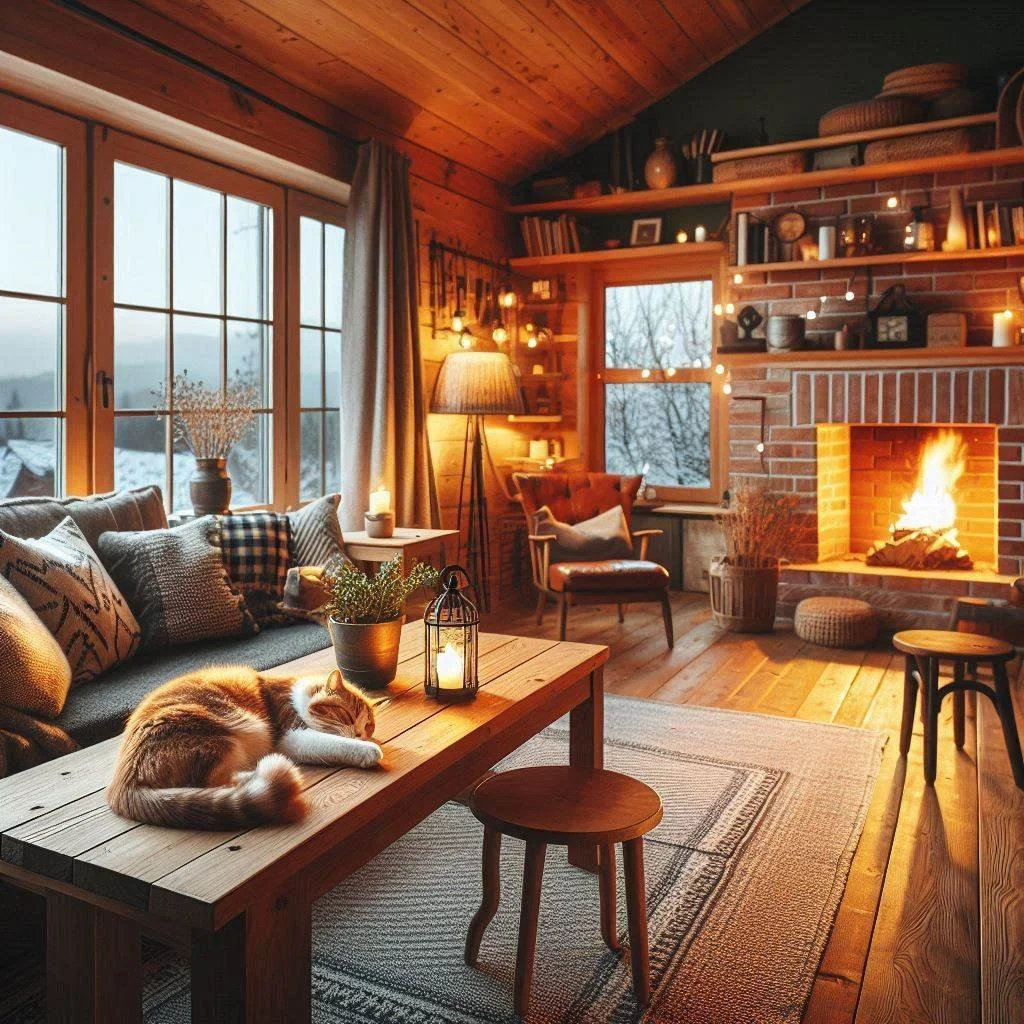
A well-layered living room that balances function and aesthetic — the kind of result drhomey handy tips are designed to help you achieve.
Why Most Home Improvement Advice Falls Flat (And What to Do Instead)
The internet is stuffed with home improvement content, yet millions of people still feel stuck with spaces that don’t work. The problem isn’t lack of information—it’s lack of relevant information. Most tips are either so broad they’re useless (add more light!) or so specific they only apply to a handful of situations. The value in handy tips dr homey style advice is the calibration: it meets you where you actually are.
The Gap Between Inspiration and Reality
Scroll through any home design platform and you’ll find stunning spaces that look effortlessly perfect. What you won’t see is the 14-step process, the professional lighting crew, and the fact that nobody actually lives in those rooms. Real homes have clutter, awkward corners, children, pets, and budgets. Good home advice has to account for all of that.
Research consistently backs this up. A study from the American Institute of Architects found that homeowners who make gradual, planned improvements—rather than dramatic one-time renovations—report higher long-term satisfaction with their spaces. Incremental change, guided by solid principles, works. That’s the core logic behind dr homey handy tips: small wins that stack into big transformations.
| Pro Perspective Before you buy a single thing or move a single piece of furniture, spend 20 minutes in the room you want to improve. Observe how you actually use it, where things tend to pile up, and what annoys you most. That information is worth more than any mood board. |
Interior Design DrHomey: Principles That Actually Work
Interior design DrHomey philosophy is built around four fundamentals: function first, proportion, light, and layering. Once you understand these, you can improve almost any room without a designer’s budget.
Function First—Always
Before any room can be beautiful, it has to work. That means furniture that fits the actual scale of the room, storage that matches how you really live, and traffic paths that feel natural. When applying interior design Dr Homey principles, always ask: Does this serve the way people actually use this space?
A practical room audit:
- Map the movement paths. Draw where you walk when you enter and move through the room. Furniture shouldn’t block those paths.
- Identify the dead zones. Every room has corners that collect forgotten objects. These are wasted space—or an opportunity for purposeful storage.
- List the room’s jobs. A bedroom might need to serve as a sleep space, a reading nook, and a dressing room. Each job needs dedicated support.
Proportion: The Invisible Skeleton of Good Design
The single most common interior design mistake isn’t colour choice or furniture style—it’s proportion. A rug that’s too small for a seating group, a light fixture that hangs too high, artwork hung at the wrong height: these proportion errors undercut even expensive furniture.
Interior designers follow a few reliable rules of thumb. In a living room, the rug should be large enough that the front legs of all major seating pieces rest on it. Artwork should generally be hung so its centre sits at eye level—roughly 57 to 60 inches from the floor. Light fixtures in dining rooms should hang 30 to 36 inches above the tabletop. These rules are calibrated to human scale.
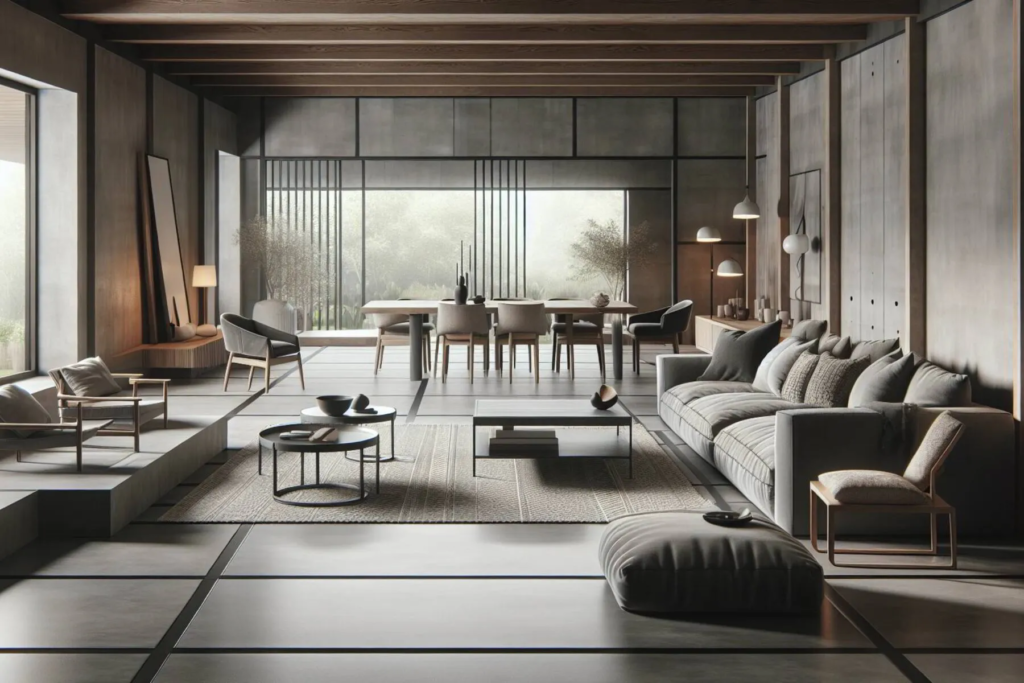
Proportion and layering at work — note how the rug anchors the furniture grouping and the lighting hangs at the correct height above the space, a core principle of interior design DrHomey guidance.
The Power of Light Layering
Lighting is the element most people get wrong, and it’s the one that makes the most difference. Most rooms rely entirely on a single overhead fixture—what designers call one-note lighting—which creates flat, institutional-feeling illumination regardless of how nice the furniture is.
Great lighting works in layers: ambient (overall illumination), task (targeted for specific activities like reading or cooking), and accent (highlighting architectural features or artwork). A room with all three layers feels warm, dimensional, and intentional.
Colour: Confidence Over Convention
The fear of colour sends many homeowners straight to beige. Colour works when it’s committed to. A half-hearted swipe of sage green on one wall in an otherwise white room tends to look like an accident. This is a core interior design drhomey insight: go all in on an accent wall, paint a piece of furniture, or commit to a proper colour scheme.
| BY THE NUMBERS — DRHOMEY HOME IMPROVEMENT FACTS What Research Says About Home Improvement |
| 76% of homeowners say better lighting improved their home satisfaction more than new furniture $0.50/sqft the average cost of rearranging furniture for a completely new look 3–5× ROI of exterior curb appeal improvements on home sale value (NAR research) 22 min average time saved per day when storage is properly organized |
Room-by-Room Handy Tips: Where to Start and What to Fix First
Rather than tackling everything at once, the smarter approach—the one that defines drhomey handy tips—is to prioritize high-traffic, high-impact spaces first.
Living Room: Create a Conversation Anchor
The most common living room problem is furniture pushed against every wall, leaving a large, empty void in the centre. Pulling furniture away from walls and creating a tighter conversation grouping actually makes a room feel larger and more intentional.
- Anchor the seating group with a substantial rug—bigger than you think you need.
- Add a coffee table that’s about two-thirds the length of the sofa.
- Use side tables at the arm height of every major seating piece—one lamp per side table minimum.
- Add art or a mirror that fills at least two-thirds of the largest wall above eye level.
Kitchen: The 10-Minute Daily Reset
Kitchen organization doesn’t require a renovation—it requires a system. Research published in the journal Environment and Behaviour found that kitchen clutter is directly correlated with stress eating and reduced well-being. The fix is a 10-minute end-of-day reset: clear the counters, wipe the surfaces, return everything to its dedicated place.
For storage optimization, pull everything out of one cabinet at a time and categorize by frequency of use. Items used daily go at arm height. Items used weekly go on upper shelves. Items used seasonally go in hard-to-reach spots. This single exercise—the kind of grounded, practical method that dr homey handy tips consistently promote—can transform kitchen usability overnight.
Bedroom: The Sleep-Optimized Sanctuary
Sleep quality is directly tied to bedroom environment. The National Sleep Foundation recommends keeping the bedroom between 65–68°F (18–20°C) and blocking light to less than 5 lux for optimal sleep. Blackout curtains, a cooling fan, and ruthlessly removing anything that doesn’t belong in a sleep space can add meaningful minutes of quality sleep per night.
| Quick Win Move your phone charger outside the bedroom. Studies show that people who charge phones in another room fall asleep faster, sleep longer, and report better morning mood. It costs nothing. |
Bathroom: Small Space, Big Potential
Bathrooms reward attention disproportionately to their size. Focus on three upgrades: hardware, lighting, and textiles. Replacing dated cabinet pulls with brushed nickel or matte black hardware costs under $50 and takes an afternoon. Swapping a builder-grade overhead light for a warm-spectrum fixture transforms the feel of the entire room. Replacing thin bath towels with quality oversized alternatives—the kind that feel like a hotel—is a small luxury that makes a difference every single day.
Exterior Design DrHomey: Curb Appeal That Converts
Exterior design DrHomey guidance operates on a simple truth: curb appeal is not about making your house look expensive; it’s about making it look intentional.
The Front Door: Your Home’s Handshake
If you can only do one exterior upgrade, paint the front door. A study by Zillow found that a black front door was associated with an average sale price increase of $6,271 compared to brown doors. Bold choices—deep navy, forest green, classic red, high-gloss black—work because they commit. Choose a colour that either echoes a trim colour on the house or contrasts it deliberately.
Landscaping: The Low-Maintenance Path to Beauty
You don’t need a manicured estate to have impressive landscaping. The National Association of Realtors found that standard lawn care and landscaping improvements deliver a 267% cost recovery at resale—one of the highest ROIs in home improvement.
- Edge your lawn. Clean lines between lawn and beds make even overgrown plantings look intentional.
- Add fresh mulch annually. A 2–3 inch layer of dark mulch makes every bed look fresh and suppresses weeds.
- Choose one seasonal colour focus. A mass planting of a single flower species looks more intentional than a random mix.
- Address the driveway. A pressure-washed driveway and walkway can remove years of visual aging in an afternoon.
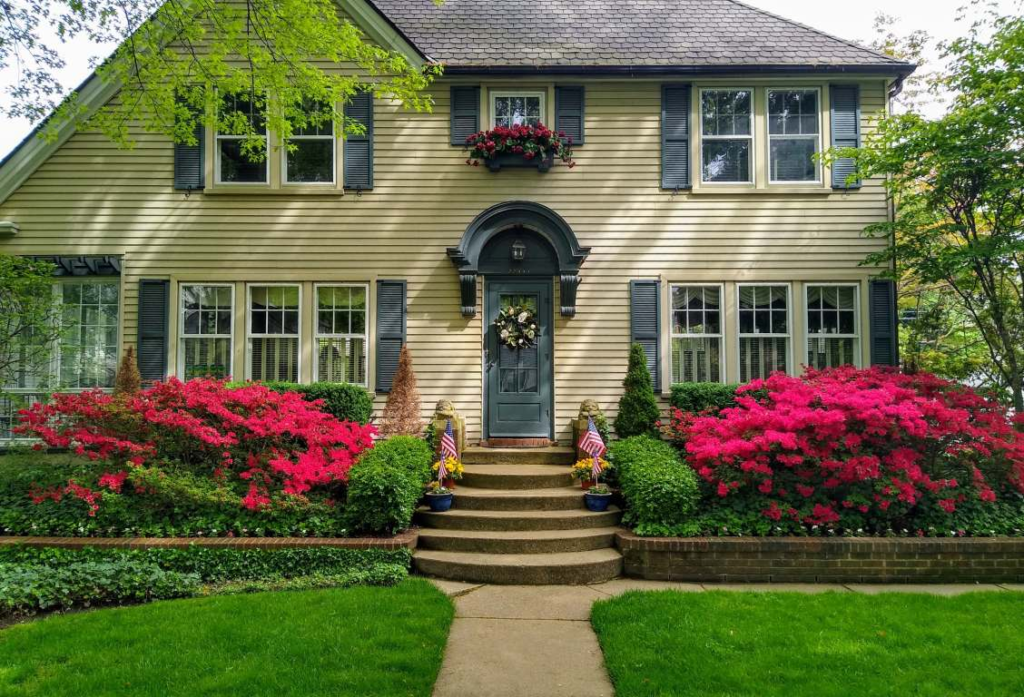
Strong curb appeal comes from intentional choices — clean edges, fresh planting beds, and a front door that makes a statement. This is exactly what exterior design DrHomey principles are built around.
Exterior Lighting: Safety and Ambiance Together
Motion-activated security lights near entry points handle safety. Pathway lighting, uplighting on feature trees, and porch pendant fixtures add warmth and welcome. Solar-powered path lights have improved dramatically in quality and can transform a dark front walk for under $40 for a full set.
Home Maintenance: The Unglamorous Tips That Save Thousands
The handy tips dr homey approach doesn’t shy away from maintenance—because ignoring it doesn’t save you money. It defers costs while adding interest in the form of water damage, mould, and structural failure.
The Annual Home Health Checklist
- Clean gutters twice yearly (spring and fall). Clogged gutters are the leading cause of foundation water damage.
- Test every smoke and carbon monoxide detector. Replace batteries annually; replace the units every 10 years.
- Flush the water heater. Sediment buildup reduces efficiency and shortens the unit’s life.
- Check caulking around tubs, sinks, and windows. Reapply anywhere you see cracks or separation.
- Have the HVAC serviced. Annual professional maintenance extends system life and keeps energy bills in check.
- Inspect the roof visually for missing or damaged shingles.
Water: The Silent Enemy
Water damage is the most common and most costly home insurance claim—and most of it is preventable. Know where your main water shut-off valve is. Inspect under sinks and around toilets monthly for moisture signs. Install a water sensor near appliances like the washing machine, dishwasher, and refrigerator ice maker: these small devices cost under $20 and alert you the instant water is detected.
Storage and Organization: The Hidden Interior Design Tool
Research from the Princeton University Neuroscience Institute found that physical clutter competes for your attention and reduces the ability to focus and process information. Organization is not just tidiness; it’s a functional upgrade to your quality of life.
The Three-Box Method
When tackling any cluttered area, work with three boxes labelled: Keep, Donate/Sell, and Discard. Everything gets touched once and placed in a box. Nothing goes back to the same spot by default. The act of making a deliberate decision about every object is what breaks the cycle of re-accumulation.
Vertical Space: The Most Underused Resource in Any Room
Most people organize horizontally and ignore the space above. In kitchens, this means cabinets that run to the ceiling. In living rooms, bookshelves that reach the ceiling. In bedrooms, over-door organizers and high storage for seasonal items. Vertical storage dramatically increases a room’s capacity without increasing its footprint.
| DrHomey Quick Win Add one drawer organizer or bin system to a single junk drawer this week. Time required: 30 minutes. Impact: every time you open that drawer for the next year, you’ll feel a small but genuine sense of order. Good systems feel good. Start with one and let the feeling motivate the next. |
How to Use DrHomey Resources: Contact and Community
The resource hub at dr homey .com provides a genuinely useful starting point for homeowners at every stage. Whether you’re looking for room-specific design templates, seasonal maintenance checklists, or answers to specific renovation questions, the platform is structured around practical usability rather than aspirational scrolling.
Getting Help Through drhomey contact
If you have a specific home challenge that doesn’t fit neatly into a general guide, reaching out via drhomey contact channels can connect you with targeted advice. You can use contact drhomey com to submit specific questions, share photos of problem spaces, and get feedback from both the editorial team and other homeowners who’ve navigated similar challenges.
Making the Most of drhomey Resources
The most effective way to use platforms like contact drhomey com is not to consume content passively but to engage actively with a specific project in mind. Come with a clear question, a defined space, and a realistic budget. The advice you’ll get—and the tips drhomey philosophy at large—is calibrated for action, not just inspiration.
Frequently Asked Questions
What exactly are DrHomey handy tips, and who are they for?
DrHomey handy tips are practical, actionable pieces of home improvement and design advice aimed at everyday homeowners—people who want their homes to look and function better without hiring a team of professionals. They cover everything from interior design DrHomey principles to exterior upgrades, maintenance habits, and organization systems.
Where can I find and contact DrHomey directly?
The primary hub for resources is dr homey .com, where you can browse guides organized by room and project type. For direct questions, use the drhomey contact page. The contact drhomey com feature is especially useful when you have a nuanced problem that a general guide doesn’t fully address.
What’s the single most impactful interior design change I can make without spending much money?
Lighting, consistently. This is one of the core insights in interior design dr homey guidance. Swapping harsh overhead bulbs for warmer-spectrum alternatives (2700K to 3000K) and adding floor or table lamps transforms the feel of a room more dramatically than almost any furniture change—and costs as little as $15 per bulb.
How do I improve my home’s exterior without a large budget?
The highest-ROI exterior upgrades are also the most affordable: painting the front door, cleaning and edging the lawn, adding fresh mulch, and pressure-washing the driveway and walkway. Exterior design DrHomey guidance consistently returns to these basics because they deliver—for aesthetics, for daily enjoyment, and for resale value.
How often should I be doing home maintenance tasks?
A useful framework: daily (kitchen reset, surface wiping), monthly (under-sink checks, filter inspection), seasonally (gutter cleaning, HVAC filter replacement), and annually (water heater flush, roof inspection, detector testing). The dr homey handy tips approach is calibrated for consistency, not perfection. Regular small maintenance prevents the emergency repairs that cost the most.
Can I really improve my home’s interior design without hiring a professional?
Absolutely. The principles behind interior design drhomey are learnable and applicable by anyone willing to pay attention. Proportion, light layering, colour confidence, and function-first thinking are skills, not talents. Most professional designers use the same core principles—what they bring is experience and an outside eye. You can replicate the logic with patience and intention.
What’s the best room to start with for a home refresh?
Start with the room you spend the most time in, or the one that bothers you most. The momentum from improving one room well creates motivation for the rest. This is a consistent theme in handy tips dr homey content: start where the impact will be felt most immediately.
How does exterior lighting improve both safety and curb appeal?
Motion-activated lights near entry points deter intruders and make navigation safer at night. Decorative pathway and accent lighting creates warmth that makes your home look welcoming from the street. This combination—security plus atmosphere—is the approach recommended in exterior design drhomey planning, and it doesn’t require expensive fixtures to be effective.
Is it worth investing in professional interior design services, or can tips from drhomey be enough?
For most homeowners undertaking incremental improvements, the principles available through tips drhomey are more than sufficient. Professional designers add the most value in complex projects—major renovations, unusual floor plans, or full-home overhauls where the investment justifies the fee. For room-level refreshes, applied knowledge and careful attention deliver excellent results.
How do I use the drhomey platform most effectively?
Come with a specific project or problem rather than general curiosity. Browse room-specific tips drhomey content for the space you’re working on, and use the drhomey contact feature to ask follow-up questions when you hit a snag. The platform is most useful as a practical reference during an active project rather than a passive inspiration source.
Conclusion: Start Small, Stay Consistent, Live Better
The homes that feel genuinely wonderful to live in—the ones that restore you after a long day rather than adding to your stress—aren’t usually the result of a single dramatic renovation. They’re the result of many small, thoughtful decisions made consistently over time. That’s the philosophy at the heart of drhomey handy tips, and it’s one that’s backed by research, practical experience, and the testimony of countless homeowners who started with one drawer, one fresh coat of paint, or one better light bulb.
Whether you’re exploring interior design Dr Homey ideas for your living room, working through an exterior design drhomey project to finally get curb appeal right, or just trying to get a handle on the maintenance tasks you’ve been putting off—the most important step is the next one. Pick one room. Identify one change. Make it happen this week.
For more tailored guidance, visit dr homey .com and explore the full library of resources, or reach out directly via contact drhomey com if you’ve got a specific challenge that needs a specific answer. The goal, always, is a home that works for you—not one you have to work around.
Ready to transform your space? Visit dr homey .com for more expert dr homey handy tips and personalized home advice.