
Introduction
Have you ever thrown a dinner party only to realize, halfway through moving furniture around, that your chairs are working against you? If you’ve been wrestling with a cramped dining area or a garage full of mismatched seats, you’re not alone — and the solution is simpler than a full room renovation. Stackable dining chairs are one of the most practical, underrated investments you can make in a home. They look sharp, store effortlessly, and are built to handle real life.
Whether you’re furnishing a compact city apartment, hosting weekly family dinners, or running a café that needs to flip layouts quickly, the right stackable dining chair delivers on both function and form. And with the surge of thoughtfully designed furniture hitting the market, you no longer have to choose between good looks and clever engineering.
This guide walks you through everything — materials, ergonomics, styles, common mistakes people make when buying, and how to care for your chairs over the long haul. Consider it the honest, detailed conversation you wish you’d had before clicking “Add to Cart.”
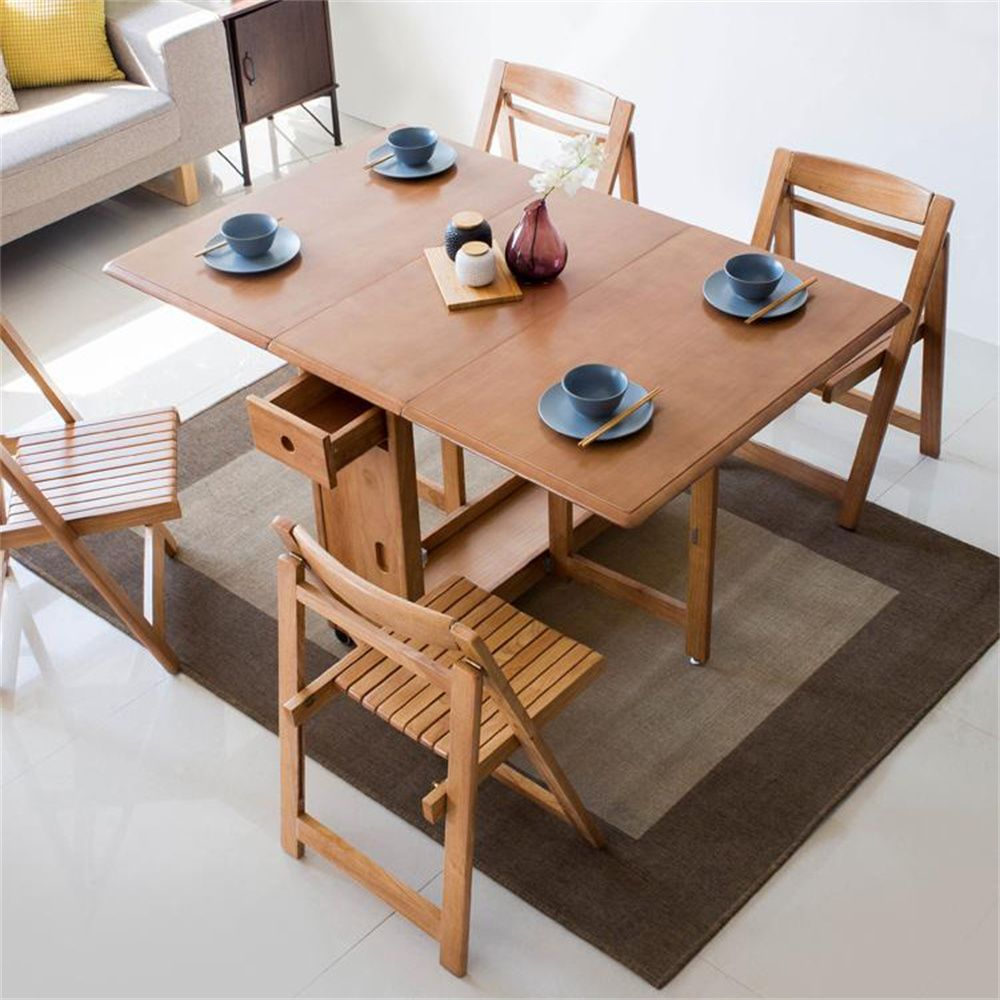
A set of modern stackable dining chairs styled in a contemporary dining room — proof that function and elegance can coexist.
Why Stackable Dining Chairs Have Become a Modern Home Essential
Over the last decade, the average urban apartment has shrunk. According to a report by RentCafé, the average U.S. apartment size dropped from 941 sq ft in 2008 to around 887 sq ft by 2023. That’s not a minor shift — that’s losing an entire bedroom worth of space from the typical floor plan. And dining rooms? Many newer builds don’t even include one.
This is exactly why dining chairs stackable designs have exploded in popularity. They’re not a compromise. They’re a deliberate, intelligent solution to a very real problem: how do you seat six people comfortably without letting furniture dominate your entire living space?
The Space-Saving Math That Changes Everything
Here’s a number worth sitting with: a standard non-stacking dining chair takes up roughly 2.5–3 square feet of floor space. Six chairs equals up to 18 sq ft — just sitting there, doing nothing, most of the day. A set of six stackable dining chairs, by contrast, can be stored in a footprint as small as 3–4 sq ft when stacked. That’s a 75–80% reduction in floor space used. For small homes, that math is transformative.
💡 Real-world insight: Interior designers commonly recommend stackable seating for rooms under 150 sq ft. The extra floor clearance makes the space feel larger even on days you’re not hosting.
Beyond Space: Flexibility You Actually Use
There’s another underappreciated benefit: adaptability. Life isn’t static. You might use your dining area as a work-from-home desk Monday through Friday, then need to seat eight people Saturday night. Stackable modern chairs accommodate that shift without any heavy lifting or rearranging of permanent furniture. Pull them out, stack them away — the room resets in minutes.
Materials Matter: Choosing the Right Build for Your Lifestyle
Not all stackable dining chairs are created equal, and material choice is where most buying mistakes happen. People often go by looks alone and end up with chairs that warp, crack, or feel unstable within a year. Here’s a clear breakdown of what each material actually delivers.
Solid Wood Stackable Chairs
Wood brings warmth and a sense of permanence that no other material quite replicates. Beech, ash, and rubberwood are the most common choices for stackable designs because they’re dense enough to handle stacking stress without splitting at joints. Solid wood dining chairs stackable models are excellent for homes that lean toward Scandinavian, farmhouse, or traditional aesthetics.
- Pros: Timeless aesthetic, long lifespan, refinishable, environmentally friendlier when sourced responsibly
- Cons: Heavier (10–18 lbs per chair), susceptible to humidity changes, higher price point
- Best for: Dining rooms, indoor-only use, buyers who want furniture that lasts 15+ years
Metal Frame Stackable Chairs
Steel and aluminum frames are workhorses. Restaurant supply companies have used metal-frame stackable modern chairs for decades — that should tell you everything about their durability. Powder-coated steel resists scratches and corrosion, while aluminum keeps weight down without sacrificing rigidity. A good metal-frame chair can handle up to 300–400 lbs and be stacked 8–10 high safely.
- Pros: Incredibly durable, weather-resistant (with proper coating), lightweight aluminum options, industrial and modern aesthetics
- Cons: Can feel cold to the touch, may scratch floors without felt pads, limited cushioning without add-ons
- Best for: Patios, cafés, event spaces, and modern or industrial interiors
Polypropylene and Molded Plastic
Don’t write off plastic. High-quality polypropylene modern stackable dining chairs — think the iconic Eames-inspired shell designs — are UV-resistant, moisture-proof, and surprisingly comfortable thanks to the flex in the material. They’re also the most affordable entry point for bulk seating, making them a smart choice for growing families or anyone furnishing on a tighter budget.
- Pros: Lightest option (often under 8 lbs), water- and stain-resistant, affordable, wide color range
- Cons: Less premium feel, may crack in extreme cold, environmental concerns with virgin plastic
- Best for: Indoor-outdoor versatility, families with young children, event rentals
Upholstered Stackable Chairs
Yes, these exist — and they’re better than you’d expect. Some manufacturers offer stackable dining chairs with padded seats in faux leather, boucle, or performance fabric. The stacking mechanism typically sits below the seat pad, keeping the cushion protected. These work beautifully in formal dining rooms where comfort is non-negotiable but storage flexibility is still needed.
📊 Stackable Dining Chair Materials at a Glance
| Material | Key Strength | Best Use Case |
| Solid Wood | 15+ year lifespan | Indoor dining rooms |
| Metal Frame | 300–400 lb capacity | Cafés, patios, events |
| Polypropylene | Under 8 lbs per chair | Indoor-outdoor versatility |
| Upholstered | Maximum comfort + stackable | Formal dining rooms |
| Stack Height | 4–10 chairs (typical) | Home & commercial use |
| Price Range | $40–$350 per chair | All budgets |
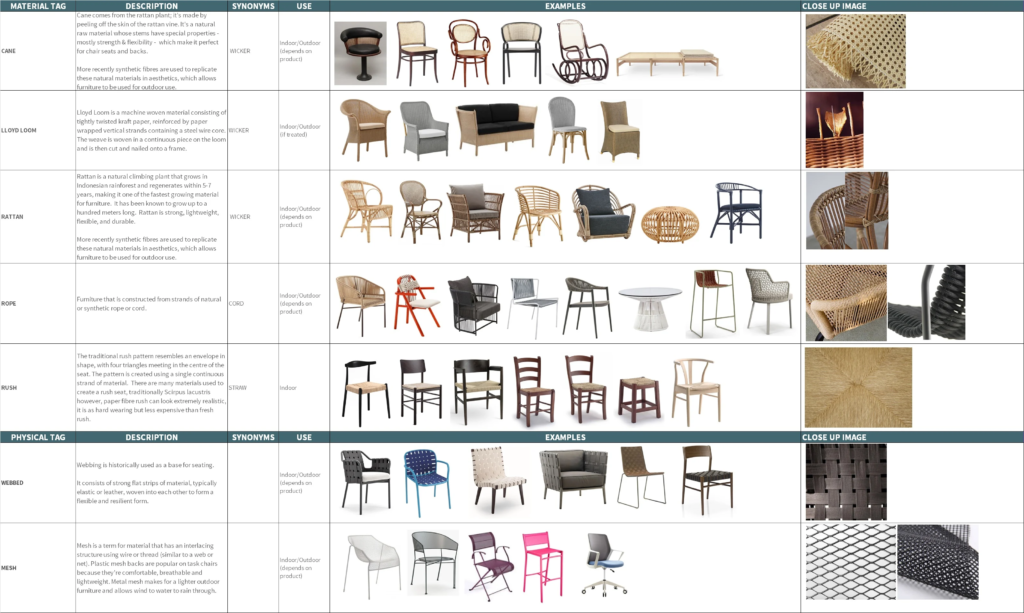
A side-by-side look at the four main stackable chair materials — wood, metal, polypropylene, and upholstered — each suited to a different lifestyle and budget.
Modern Stackable Dining Chairs: Style Doesn’t Have to Be Sacrificed
There’s a persistent myth that stackable chairs are inherently institutional — the folding kind you’d find at a church hall or a corporate conference. That era is firmly behind us. Today’s modern stackable dining chairs are designed by serious furniture studios and are every bit as stylish as their fixed counterparts.
Scandinavian and Minimalist Designs
Clean lines, tapered legs, and a neutral palette — Scandinavian-influenced stackable dining chairs sit beautifully in contemporary homes. Look for chairs with a slight backward recline (around 5–7 degrees) and an ergonomic lumbar contour. Brands like HAY, Muuto, and their many inspired alternatives have made this style widely accessible at varying price points.
Industrial and Metal-Leg Aesthetics
Black powder-coated metal legs paired with a molded plastic or wooden seat is one of the most versatile combinations in dining furniture. Stackable modern chairs in this style work in loft apartments, bistro-style kitchens, and even outdoor dining setups. The look is urban, effortless, and ages well because it doesn’t trend the way heavily ornamented furniture does.
Upholstered Elegance
For formal dining rooms, an upholstered seat with a stackable frame threads the needle between practical and refined. Pair them with a marble-top or glass dining table, and no guest would ever guess these chairs disappear into a corner stack after dinner. Velvet, boucle, and performance linen are all fair game here — just verify the fabric is treated for easy cleaning.
Outdoor-Ready Stackable Options
Teak and recycled HDPE lumber chairs bring warmth to outdoor dining areas without the maintenance burden of untreated wood. Powder-coated aluminum frames with sling-style mesh seats are another popular outdoor choice — they drain after rain, resist UV fading, and stack four to six high for off-season storage. If your patio doubles as a dining space, a weather-proof stackable dining chair is one of the smartest investments you’ll make.
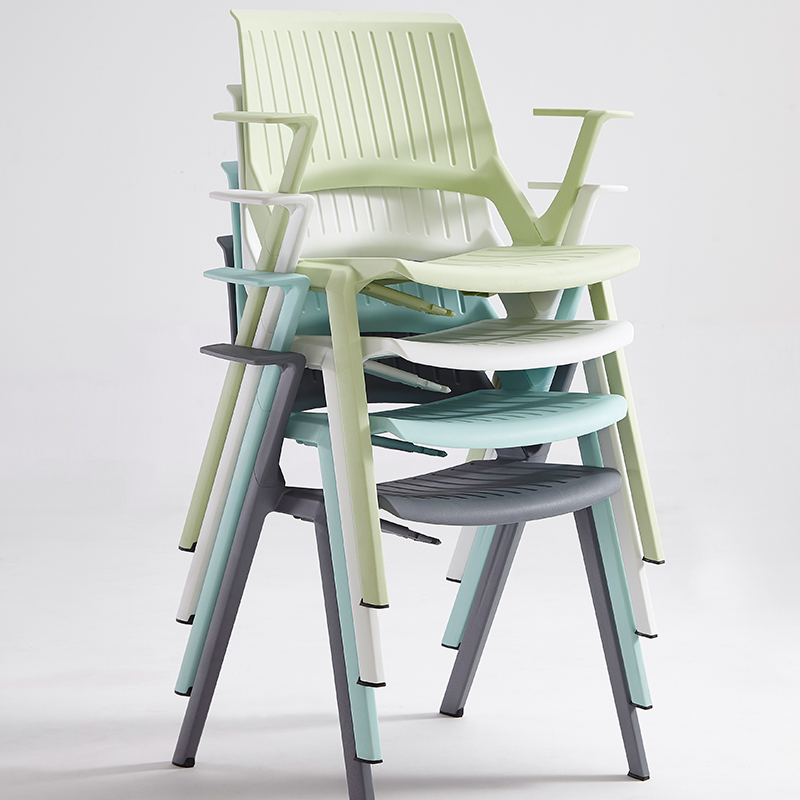
The true power of dining chairs stackable design — six chairs stored in the footprint of one. Storage has never looked this effortless.
What to Look for When Buying: A Practical Checklist
Shopping for stackable dining chairs is deceptively nuanced. Here are the factors that separate a great buy from a regret purchase:
Weight Capacity and Structural Integrity
The weight rating on most consumer-grade chairs ranges from 220–330 lbs. If you need heavier-duty seating, look for commercial or contract-grade options, which routinely handle 400+ lbs and undergo BIFMA (Business and Institutional Furniture Manufacturer’s Association) testing. Don’t skip this step — chair failures are both dangerous and costly.
Stack Height Specifications
How many chairs can be safely stacked? For home use, a stack of four to six is typically sufficient. For commercial use, look for designs rated to stack eight to twelve. Some modern stackable dining chairs include rubber bumpers or curved legs that grip the chair below, preventing the stack from shifting — this feature is worth seeking out if you’re stacking more than four high.
Seat Depth and Ergonomic Comfort
A seat depth of 15–17 inches suits most adults comfortably for dining (which typically lasts 30–90 minutes per sitting). Seats deeper than 18 inches may feel like you’re sinking in, making it harder to reach the table. A seat height of 17–19 inches pairs well with standard dining tables (28–30 inches tall). Always cross-reference seat height with your table’s clearance before ordering.
Floor Protection
Check whether the chair legs include felt pads, rubber caps, or glides. Many dining chairs stackable designs come without them, and unprotected metal or wood legs will scratch hardwood and tile floors quickly. Aftermarket felt pads cost under $10 for a pack of 20 and are worth adding to any chair that doesn’t include them.
Buying Specs: Home vs Commercial
| Feature | Minimum (Home) | Recommended (Home) | Commercial Grade |
| Weight Capacity | 220 lbs | 275 lbs | 400+ lbs |
| Safe Stack Height | 3–4 chairs | 5–6 chairs | 8–12 chairs |
| Seat Depth | 14 in | 16–17 in | 16–18 in |
| Seat Height | 17 in | 18 in | 17–19 in (adjustable) |
| Floor Protectors | None included | Felt pads | Rubber glides |
Stackable Dining Chairs for Commercial and Event Use
The commercial hospitality industry has relied on stackable dining chairs for generations, and for good reason. Restaurants, cafés, event venues, and hotels all need seating that can transform a space within minutes. If you’re furnishing a business or planning frequent large gatherings, commercial-grade specs are worth understanding.
Restaurant and Café Considerations
Restaurant dining chairs stackable designs face daily abuse — being dragged, dropped, and exposed to spills. Look for welded (not bolted) steel frames, seat shells with drain holes if used outdoors, and finishes that can handle commercial cleaning products. The aluminum-frame polypropylene shell chair remains the gold standard for café seating: it weighs under 9 lbs, stacks 10 high, and can be wiped down in seconds.
Event Venues and Banquet Halls
For venues managing 200+ chairs regularly, transport dollies are essential — many commercial stackable modern chairs are designed to be loaded onto wheeled carts 20–30 at a time. Look for chairs with a “dolly-compatible” designation in the product specs. Banquet-style chairs with padded seats in polyurethane foam strike the right balance between bulk storage efficiency and guest comfort during multi-hour events.
Outdoor Events and Festivals
Outdoor event seating demands UV resistance and rain drainage above all. Resin and polypropylene modern stackable dining chairs in this context should be certified for outdoor use (look for UV stabilizer mentions in the spec sheet). Avoid raw aluminum without anodizing in coastal environments — salt air will oxidize it within a single season.
Common Mistakes to Avoid When Buying Stackable Dining Chairs
Even experienced buyers make these errors. Knowing them in advance saves real money and frustration.
Buying Purely on Aesthetics
The most photographed chair isn’t always the most livable one. Stackable dining chairs that look beautiful in a lifestyle shot may have a seat depth that’s uncomfortable for taller people, or legs that scratch floors, or a surface that stains the moment red wine enters the picture. Read reviews specifically mentioning comfort after extended use (30+ minutes) and real-world durability.
Ignoring the Stack-to-Storage Ratio
Not every stackable chair stacks efficiently. Some dining chairs stackable designs technically stack but only two or three high before becoming unstable. Measure your storage space — height included — and verify the stack configuration before purchasing. A stack of six should ideally fit within 5–6 feet of vertical clearance and a 2-square-foot floor footprint.
Overlooking Assembly Requirements
Many modern stackable dining chairs arrive partially unassembled. If you’re buying eight or more chairs, factor in assembly time and the quality of included hardware. Chairs with Allen key bolts on metal-to-wood connections are notoriously prone to loosening over time; budget for periodic tightening or add thread-lock compound during initial assembly.
Neglecting to Test Before Buying in Bulk
If you’re ordering more than four chairs, try to test one in person or order a single unit first. Comfort perception is personal — what feels fine in a product photo can feel entirely different after 45 minutes at the dinner table. Many retailers now offer sample programs for commercial orders; for home buyers, check return policies before committing to a full set.
🚨 Watch out: “Stackable” is not a regulated term. Some manufacturers label chairs as stackable when they can only stack two high. Always check the stated maximum stack height in the product specifications — not just the description.
How to Care for and Maintain Your Stackable Dining Chairs
Proper maintenance extends the life of stackable dining chairs dramatically. These aren’t inherently fragile pieces — but they do need occasional attention to stay looking and performing their best.
Cleaning by Material
- Wood: Wipe with a damp cloth; avoid harsh chemicals. Oil or wax wooden surfaces every 6–12 months to prevent drying and cracking. Never soak wood or leave it wet.
- Metal: Mild soap and water handles most cleaning. Inspect powder coating annually for chips — exposed metal should be touched up immediately to prevent rust.
- Polypropylene: Almost maintenance-free. Avoid abrasive scrubbers that scratch the surface (scratches harbor bacteria and look dingy over time).
- Upholstered: Treat fabric with a stain-resistant spray at purchase. Spot clean with fabric-appropriate cleaner; remove and machine-wash seat covers if the design allows.
Stacking Best Practices
Always stack chairs the way the manufacturer intends — usually seat-to-seat or leg-nested configurations. Improper stacking puts stress on joints and welds that they weren’t designed to handle. Store stacks away from direct sunlight (especially for polypropylene, which can warp with prolonged UV exposure). For long-term outdoor storage, a breathable furniture cover is worth the investment.
When to Replace vs. Repair
A wobbly joint in a wood chair can often be repaired with wood glue and a clamp overnight. A cracked weld on a metal frame, however, is a structural failure that shouldn’t be ignored — it compromises the weight rating and safety of the chair. A peeling powder coat can be resprayed by any powder-coating service for $20–$50 per chair, which is often worthwhile if the frame is otherwise solid.
Top Questions to Ask Before Your Final Purchase
Before clicking “buy,” run through this mental checklist:
- What material suits my lifestyle? (Kids, pets, outdoor use, spill frequency)
- How many chairs do I realistically need? (Think maximum occupancy, not just everyday use)
- Where will I store them when not in use? (Measure the space — height matters)
- What’s my table height? (Verify the seat height clears the apron with 10–12 inches of leg room)
- Is the weight capacity appropriate? (Always buy one tier above your actual need)
- Will these work outdoors if needed? (Even if mainly indoor, occasional patio use is common)
- What does the warranty cover? (Structural defects should be covered for at least 1 year; commercial grade typically offers 3–5 years)
Frequently Asked Questions About Stackable Dining Chairs
Q1: What is the average weight of a stackable dining chair?
Most stackable dining chairs weigh between 7 and 18 lbs depending on material. Polypropylene shell chairs are the lightest (6–9 lbs), while solid wood designs typically weigh 12–18 lbs. For frequent moving and stacking, lighter chairs reduce fatigue significantly, so consider weight alongside aesthetics when choosing.
Q2: How many stackable chairs can I safely stack?
Home-use dining chairs stackable models are generally safe to stack 4–6 high. Commercial designs can often reach 8–12 chairs high on a stable, level surface. Always follow the manufacturer’s maximum stack specification — exceeding it risks tipping and frame damage. For stacks taller than six, consider using a stacking dolly for transport and stability.
Q3: Are modern stackable dining chairs comfortable for long meals?
Quality modern stackable dining chairs are absolutely comfortable for meals lasting 60–90 minutes. Look for an ergonomic seat contour, a slight backward rake (5–8°), and a seat depth of 15–17 inches. Adding a seat cushion is always an option if you plan on marathon dinners or need extra support.
Q4: Can I use stackable dining chairs outdoors?
Yes, but material choice is critical. Powder-coated aluminum, UV-stabilized polypropylene, and teak are the most weather-resistant options. Avoid raw wood and untreated steel outdoors. Always check the product’s outdoor rating — some chairs marketed as “indoor-outdoor” are only appropriate for covered patios rather than full sun exposure.
Q5: What is the difference between stackable and folding chairs?
Stackable dining chairs maintain their full chair shape and are stacked vertically one on top of another. Folding chairs collapse flat for storage. Stackable designs are generally more elegant and structurally rigid, while folding chairs offer a smaller storage footprint when fully collapsed. For dining use where aesthetics matter, stackable is almost always the better choice.
Q6: How do I prevent stackable chairs from scratching my floors?
Add felt pads, rubber caps, or nylon glides to all chair legs. Many stackable modern chairs don’t include these, so budget for aftermarket protectors — a pack of self-adhesive felt pads costs $5–$10. Replace them every 6–12 months or whenever they show wear. Avoid sliding chairs on bare hardwood; lift them when moving instead.
Q7: Are stackable dining chairs suitable for commercial use?
Absolutely. Stackable dining chairs are the industry standard in restaurants, event venues, and cafés globally. For commercial applications, look for BIFMA-certified chairs with welded steel or aluminum frames, commercial-grade finishes, and weight ratings of 300 lbs or higher. The additional upfront cost of commercial-grade chairs pays off through dramatically longer lifespans.
Q8: What is a good price range for quality stackable dining chairs?
Quality home-use dining chairs stackable models typically range from $60–$180 per chair. Budget options under $50 exist but often compromise on structural integrity or comfort. For commercial use, expect $120–$350 per chair for properly rated, durable designs. Buying a set of four or more usually unlocks per-chair discounts of 10–20% from most retailers.
Q9: Do stackable dining chairs work with any dining table?
In terms of function, yes — but proportions matter. A standard dining chair with an 18-inch seat height pairs well with tables 28–30 inches tall. Always verify there is at least 10–12 inches of clearance between the seat and the table’s underside (the apron). Chairs with wider seats (18+ inches) may feel cramped with narrow tables; use the table’s width as a guide when choosing seat width.
Q10: How long do stackable dining chairs typically last?
With proper care, quality modern stackable dining chairs can last 10–20 years in home use. Commercial-grade designs used daily in restaurants typically last 5–10 years before showing structural fatigue. The biggest lifespan variables are material quality, frequency of use, proper stacking, and whether floor protectors are maintained. Investing in a reputable brand adds years to the chair’s working life.
Final Thoughts: The Chair That Works as Hard as You Do
Furniture should serve your life — not the other way around. That’s the core argument for stackable dining chairs, and it holds up whether you’re outfitting a 600-square-foot apartment or a 200-seat event venue. These aren’t a compromise between form and function; the best modern stackable dining chairs on the market today prove you can have both.
The right set of dining chairs stackable will seat your family for weeknight dinners, accommodate twelve guests on holidays, and quietly disappear into a tidy corner the rest of the time. They’ll survive spilled wine, sticky fingers, and the occasional aggressive scoot. And if you choose well based on the material, ergonomics, and specifications covered in this guide, they’ll still be doing all of that a decade from now. Buy once, buy thoughtfully. The difference between a chair you love and a chair you’re replacing in two years is almost always the research done before the purchase. You’ve done that research now — the next step is yours.