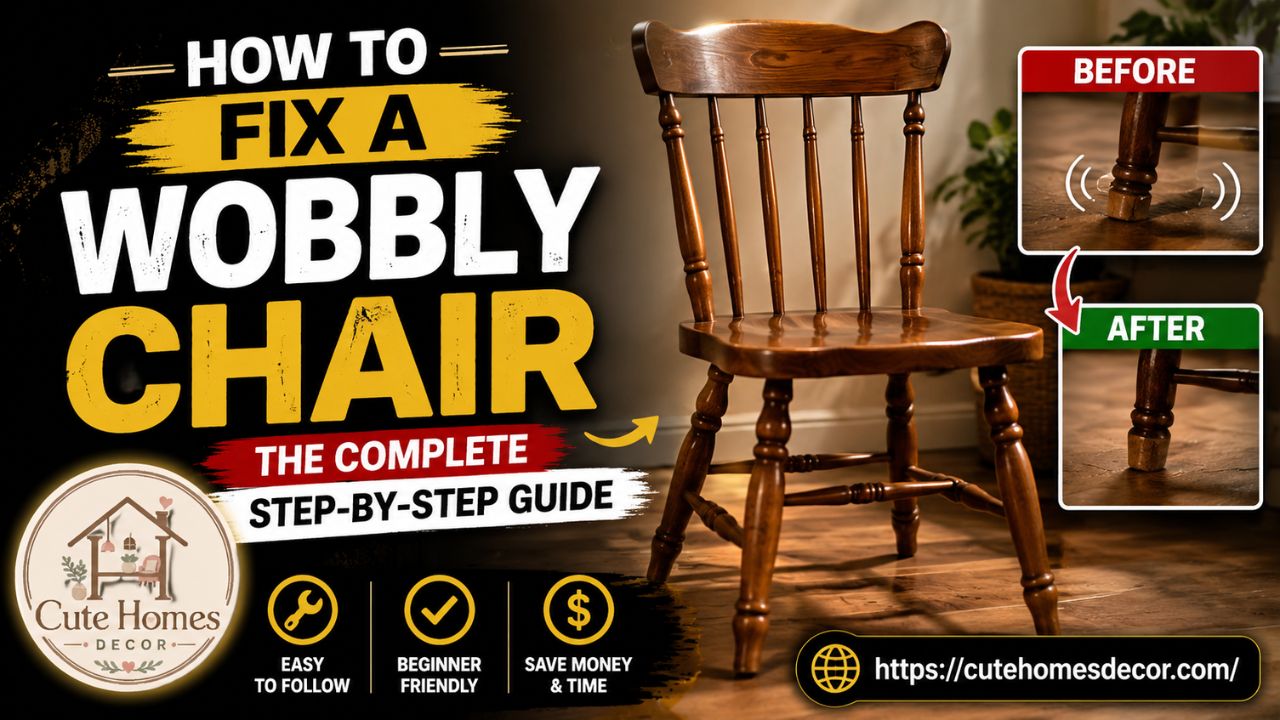

There’s a particular kind of frustration that comes with sitting down at your dining table or dropping into your desk chair — only to feel that tell-tale tilt, that rhythmic rock, that irritating wobble. You shift your weight, hoping it’ll settle. It doesn’t. If you’ve been living with wobbly chairs longer than you’d like to admit, you’re far from alone — and more importantly, this is a problem you can absolutely fix yourself, often in under an hour, with tools you probably already have at home.
Learning how to fix a wobbly chair is one of those surprisingly satisfying home repairs. A chair that seemed destined for the trash can come back to life with a little wood glue, a screwdriver, or some strategic shimming. And once you understand why chairs wobble in the first place, you’ll be equipped to fix every unsteady seat in your house.
This guide covers everything: from quick weekend fixes for wobbly chairs to deeper structural repairs for a truly worn out chair. Whether you’re dealing with a rocking dining chair or a wobbly office chair, you’ll find the right solution here. Let’s get to it.
Why Is My Chair Wobbly? Understanding the Root Causes
Before you reach for the glue gun, it helps to understand exactly what’s causing the instability. Asking yourself “why is my chair wobbly?” is the right first question — because the fix depends heavily on the cause. A chair rocks for very different reasons than one that tips because of uneven legs.
The Most Common Causes of a Wobbling Chair
Chairs are deceptively complex structures. They bear hundreds of pounds of weight, endure years of daily use, and are often subjected to lateral stress. Over time, that stress takes a toll. Here are the most common culprits behind a wobbling chair:
- Loose joints — The mortise-and-tenon or dowel joints that connect legs to the seat rail work loose over time, especially when the wood dries out and shrinks.
- Dried-out glue — Wood glue becomes brittle and fails after years of use, leaving joints that feel solid but provide no real hold.
- Worn out chair legs — On a truly worn out chair, the legs themselves may have developed flat spots, splits, or warping that causes uneven contact with the floor.
- Uneven chair legs — Sometimes one or more legs are slightly shorter than the others, either from manufacturing inconsistency or uneven wear on leg tips.
- Floor unevenness — Occasionally the chair is perfectly fine; it’s the floor that’s uneven. Tile grout lines, hardwood gaps, and old subfloors all create micro-level topography.
- Loose hardware — Screws, bolts, and fasteners loosen over time, especially on metal-framed and flat-pack furniture.
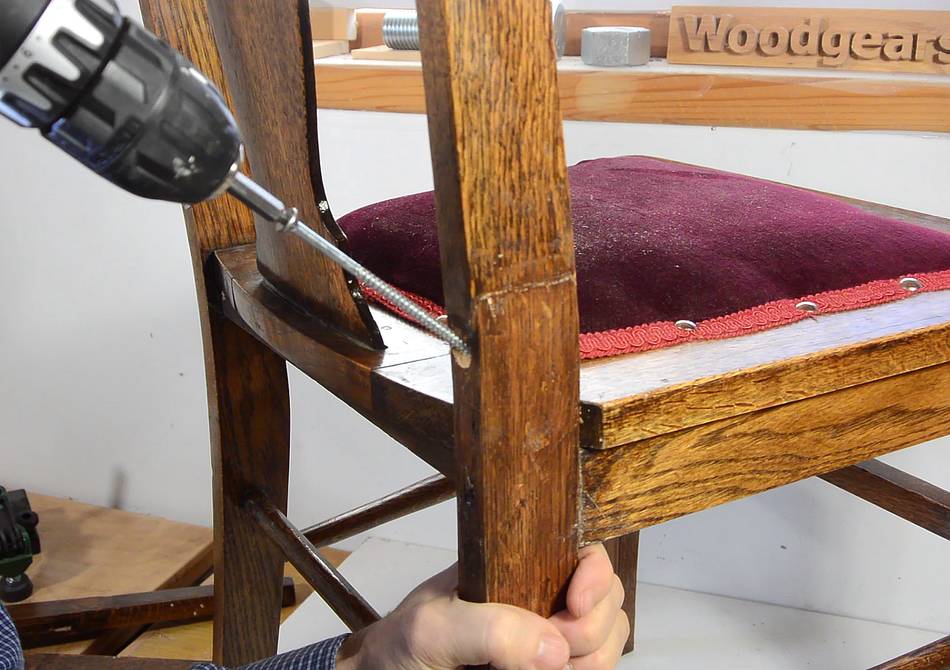
Understanding the root cause of your chair wobble is the essential first step before any repair.
Once you’ve identified which category your chair falls into, the fix becomes much more straightforward. Let’s walk through each repair method in detail.
How to Fix Wobbly Chair Legs: The Core Repair Methods
The vast majority of unstable chairs have one core problem: the legs are no longer holding firm at their joints or meeting the floor evenly. Knowing how to fix wobbly chair legs will solve the wobble in probably 80% of chairs you’ll ever encounter.
Method 1 — Re-Gluing Loose Chair Joints
This is the most common fix for wooden chairs. When the glue dries out, the joint becomes a pivot point instead of a firm connection — and that’s where your chair wobble comes from.
What You’ll Need
Wood glue (Titebond or similar), rubber mallet, clamps or rope, damp cloth, sandpaper (120-grit).
Step-by-Step Process:
| 1 | Disassemble the loose joint Gently wiggle and pull the loose leg free from its socket. If it won’t budge, use a rubber mallet to tap it free — never use a metal hammer directly on wood. |
| 2 | Clean out the old glue Use sandpaper or a small chisel to remove all traces of the old, dried glue from both surfaces. Fresh glue won’t bond properly over old glue. |
| 3 | Apply fresh wood glue Apply a thin, even coat of wood glue to both the tenon (the peg) and the inside of the mortise (the hole). A thin complete coat is more effective than a heavy bead. |
| 4 | Reassemble and clamp Push the joint firmly together — you should feel it seat fully. Wipe away any squeeze-out with a damp cloth. Clamp securely and let dry for at least 24 hours. |
| 5 | Test and finish Once fully cured, test the chair on a flat surface. Apply a small amount of weight progressively before trusting it with full body weight. |
| 💡 Pro Tip If the tenon has shrunk and no longer fits tightly in the mortise even with glue, wrap it once or twice with cotton thread before gluing. The thread fills the gap and gives the glue something extra to grip. |
Method 2 — Using Screws and Hardware to Fix Chair
For chairs with metal brackets or flat-pack construction, learning how to fix chair wobble through hardware tightening is often the simplest route. Flip the chair upside down and inspect every joint. Tighten any loose screws firmly. If a screw hole is stripped, push a few toothpicks coated with wood glue into the hole, let dry, snap off flush, and then re-drive the screw.
For chairs with metal corner braces underneath the seat, check that all four bolts are snug. These braces hold the seat frame square, and a loose brace on just one corner can throw the entire chair into a chair wobble.
How to Fix Uneven Chair Legs Without Replacing Them
Sometimes the joints are solid, the glue is fine, and the screws are all tight — but the chair still rocks. This is a telltale sign of uneven chair legs. Knowing how to fix uneven chair legs is a different skill set from joint repair, but it’s equally learnable.
The Paper Test: Finding the Short Leg
Place the chair on the flattest floor in your home. Rock it gently in all directions to identify the pattern of the wobble. Slide a piece of paper under each leg in turn — the leg that allows the paper to slide most easily is your short leg.
Option A — Adding Furniture Pads or Felt Glides
The simplest fix for uneven chair legs is to build up the shorter leg with adhesive felt pads. These pads come in various thicknesses and can be stacked. Add one layer, test, add another if needed. This also protects your floors from scratching.
Option B — Trimming the Longer Legs
For a more permanent fix on wooden chairs, you can carefully trim the longer legs down to match the shorter one. This requires a handsaw or circular saw, a reliable measuring method, and steady nerves. Mark your cut line with masking tape, cut conservatively, and test repeatedly.
| ⚠️ Important Only trim legs if you’re confident in your measurement. It’s far easier to add material (via pads) than to remove it. When in doubt, stack felt pads first and see if that resolves the issue before reaching for the saw. |
Option C — Self-Leveling Leg Tips
Hardware stores sell self-leveling glides — threaded feet with adjustable rubber tips that screw into the bottom of chair legs. These are fantastic for chairs on uneven floors because you can fine-tune each leg independently. They’re also virtually invisible once installed.
Quick Reference: Wobbly Chair Fix Methods at a Glance
| Fix Method | Best For | Materials Needed | Difficulty |
| Re-Glue Joints | Loose wooden joints | Wood glue + clamps | Easy |
| Tighten Hardware | Metal/flat-pack chairs | Screwdriver + wrench | Very Easy |
| Level the Legs | Uneven legs | Felt pads / self-level tips | Easy |
| Reinforce Frame | Severely worn chairs | Steel braces + corner blocks | Moderate |
| Fix Swivel Base | Office chair wobble | Allen key + replacement parts | Easy |
| Dining Chair Fix | Loose dining room chairs | Corner blocks + screw+glue | Easy-Moderate |
How to Fix Loose Dining Room Chairs: A Detailed Walkthrough
Dining chairs take more abuse than almost any other seat in the house. Figuring out how to fix loose dining room chairs is one of the most commonly searched furniture repair topics online. They’re pulled out, pushed in, leaned back on two legs, and sometimes even used as step stools.
The Corner Block Method
Most quality dining chairs are built with triangular wooden corner blocks screwed and glued into the inside corners of the seat frame. When they loosen, the whole chair begins to rack (twist out of square). To fix wobbly chair frames using this method, flip the chair upside down and inspect the inner corners:
- Remove any loose blocks completely and clean off old glue.
- Cut replacement blocks from scrap hardwood if needed (triangular pieces, about 3 inches on each side).
- Apply wood glue to both faces of the block.
- Press firmly into the corner and drive two screws in — one through each face — at a slight angle so they pull the joint tight.
- Let cure fully before flipping the chair back upright.
Addressing Chairs with Loose Legs at the Seat Rail
Understanding how to fix chairs with loose legs when those legs connect directly to a horizontal seat rail requires a slightly different approach. The connection between a chair leg and the seat rail is the highest-stress joint on the entire chair — it bears the full weight of whoever’s sitting.
If this joint is failing, re-gluing alone may not hold. Consider driving a long screw up through the bottom of the seat rail and into the top of the leg at a slight angle — this creates a mechanical fastener backup to the adhesive bond. Counter-sink the screw head so it sits flush.
| 📌 Note on How to Fix Loose Chair Legs How to fix loose chair legs for maximum strength: always combine mechanical fasteners (screws) with adhesive (wood glue). Glue alone can shear under lateral load. Screws alone can work loose over time. Together, they create a repair that often outlasts the original factory joint. |
How to Reinforce Chair Legs for Long-Term Stability
If your chair is older or has already been repaired once, you may want to think about how to reinforce chair legs more permanently. This is especially true for chairs used by heavier adults or chairs in commercial settings.
Steel Mending Plates and L-Brackets
Small steel mending plates, available at any hardware store, can be screwed across the outside of leg-to-rail joints to provide additional mechanical support. They’re not always pretty, but under a dining table or at the back of a chair, they’re invisible in normal use.
Stretcher Rails and Cross Braces
Chairs with rungs (the horizontal bars that connect legs to each other) are inherently more rigid than those without. If your chair design allows it, adding a simple turned dowel as a stretcher between the front legs dramatically increases lateral stability.
Epoxy for Severe Gaps
When a joint has worn so loose that standard wood glue can’t bridge the gap effectively, two-part epoxy is your friend. Unlike wood glue, epoxy fills gaps rather than requiring a tight fit. Mix it according to package directions, pack it into the joint, reassemble, and clamp.
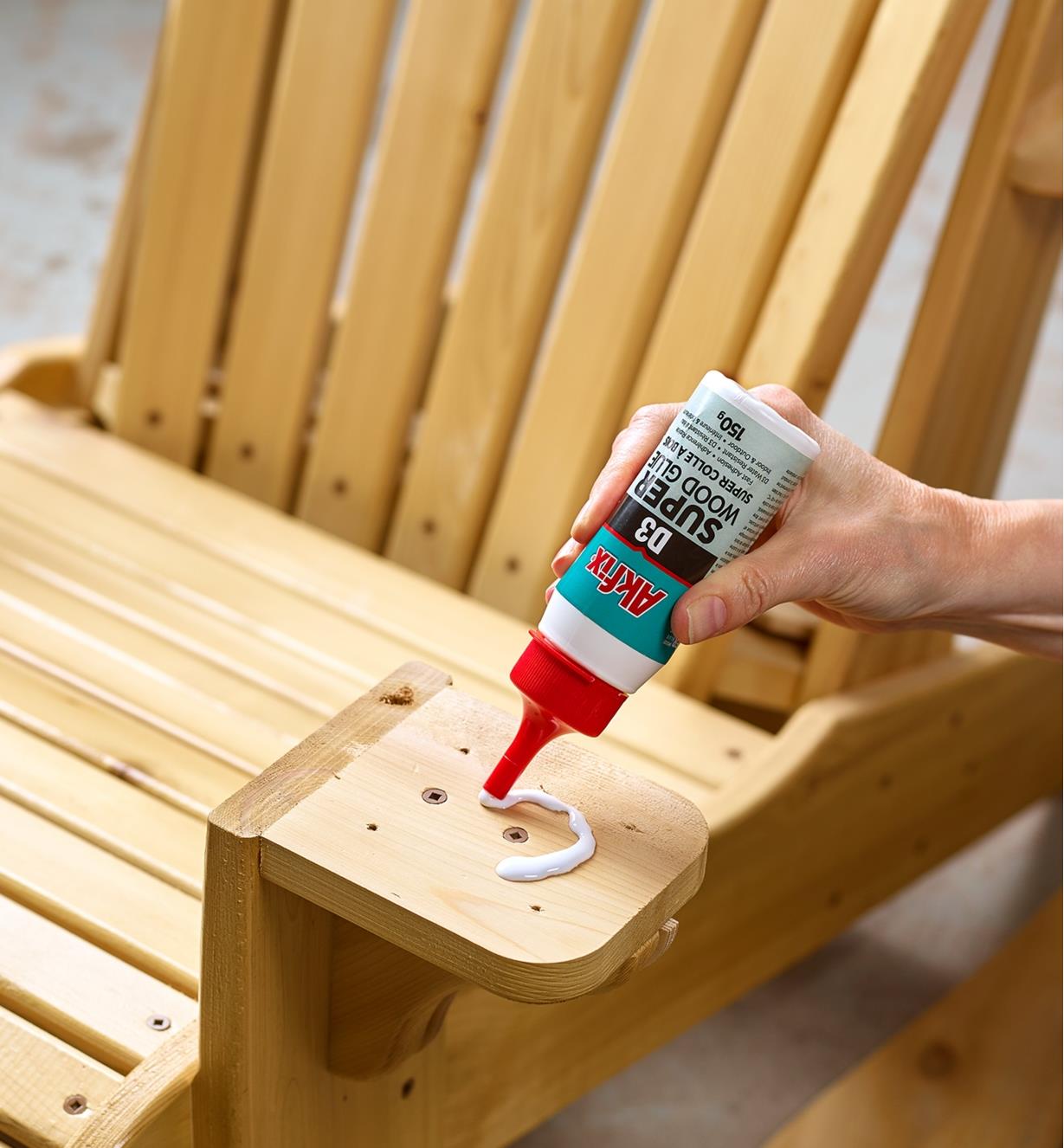
When basic re-gluing isn’t enough, mechanical reinforcement makes the difference between a lasting repair and a temporary fix.
How to Fix a Wobbly Swivel Chair and Wobbly Office Chair
Swivel chairs — whether it’s your home office setup or a professional task chair — have a completely different wobble profile than dining chairs. If you’re dealing with an office chair wobbly situation, the fixes are specific to the swivel mechanism and pneumatic base rather than wooden joinery.
Diagnosing the Wobble in a Swivel Chair
Knowing how to fix a wobbly swivel chair starts with identifying where the movement originates:
- Wobble at the base (star base): One or more casters may be broken or a base arm may be cracked. Replace the caster or the entire base.
- Wobble at the gas cylinder: The cylinder may have popped out of its seat. Push it firmly back in — they’re often a press-fit taper.
- Wobble where the seat meets the mechanism: The tilt mechanism bolts may be loose. Flip the chair and tighten all bolts on the mechanism plate.
- Wobble when leaning back: The tilt tension may need adjustment, or the mechanism locking lever may be disengaged.
How to Tighten a Swivel Chair
Learning how to tighten a swivel chair is simpler than most people expect. Flip the chair upside down or tilt it back. Locate the central mechanism plate — the metal assembly between the seat and the gas cylinder. You’ll see four to six bolts securing it to the seat. Use a socket wrench or Allen key to tighten each bolt firmly in a cross pattern, like tightening lug nuts on a car wheel.
To properly fix wobbly office chair issues that stem from the gas cylinder, check whether the cylinder itself is worn. If the chair slowly sinks even after pumping it up, the cylinder is failing. Replacement cylinders cost between $15–$35 and take about 15 minutes to swap out — making this a much cheaper solution than buying a new chair.
| 💡 Quick Win for Swivel Chairs If the five-star base wobbles on the floor but all the bolts are tight, check each individual caster. A single broken or missing caster wheel creates a dramatic wobble. Replacement casters are usually $5–$10 for a full set of five. |
Preventing Wobbly Chairs Before They Start
The best wobbly chair fix is the one you never need. With a little regular attention, you can keep every chair in your home rock-solid for years:
- Annual inspection: Once a year, flip your wooden chairs upside down and check every joint. Tighten any loose screws before they work all the way out.
- Use felt glides: Felt pads on chair legs reduce side-to-side force exerted when chairs are slid across floors — one of the primary causes of joint stress.
- Don’t rock back: Leaning back on two legs applies enormous leverage to joints designed to bear weight straight down. Avoid it.
- Keep wood from drying out: In very dry climates, periodic application of furniture oil or paste wax keeps wood from shrinking and leaving gaps at joints.
- Address wobbles immediately: A slight wobble left untreated becomes a more severe wobble in weeks. The earlier you catch it, the simpler the fix.
Frequently Asked Questions
Why is my chair wobbly even after tightening all the screws?
If tightening screws didn’t stop the wobble, the issue is likely in the wooden joints themselves — the glue has failed. You’ll need to disassemble the loose joints, clean out the old glue, and re-glue with fresh wood glue and clamping. Also check whether any legs are shorter than others using the paper test on a flat floor.
What is the best glue to fix a wobbly chair?
For most wooden chair joints, a high-quality PVA wood glue like Titebond II or III is the best choice. It’s strong, sandable, and dries clear. For severely worn joints with gaps, two-part epoxy works better because it fills voids rather than requiring a tight-fitting joint.
How do I fix loose chair legs without taking the chair apart?
If full disassembly isn’t practical, you can inject wood glue into the loose joint using a glue syringe. This method is part of knowing how to fix loose chair legs without major disassembly. Flex the joint open slightly, inject glue, close it up, and clamp. It’s not as thorough as a full re-glue, but it can buy you significant extra life on a difficult-to-disassemble chair.
How do I fix uneven chair legs when I can’t tell which one is short?
Use the paper test: place the chair on the flattest floor available and slide a piece of paper under each leg in turn. The leg that allows the paper to slide in most easily is the shortest. Then build it up with adhesive felt pads, adding layers until the wobble is gone.
How do I fix a wobbly office chair that sinks when I sit down?
A sinking office chair usually has a failing gas cylinder. Purchase a replacement cylinder (measure the diameter of your current one first — usually 2 inches), use a pipe wrench to remove the old one, and press-fit the new one in. The entire job takes 15–20 minutes.
Can a severely worn out chair be worth repairing?
It depends on the chair. A high-quality solid wood chair is almost always worth repairing — even a heavily worn out chair with multiple failing joints can be completely restored with thorough re-gluing and reinforcement. A cheap flat-pack chair with stripped screw holes and cracking particleboard may have reached the end of its useful life.
How do I tighten a swivel chair that wobbles side to side?
Side-to-side wobble in a swivel chair almost always means the mechanism plate bolts are loose. Flip the chair upside down, locate the four to six bolts that attach the seat plate to the mechanism, and tighten them with a socket wrench in a cross pattern. If the wobble is at the very base, check for cracked base arms or broken casters.
How long does wood glue take to dry on a chair repair?
Most PVA wood glues reach handling strength in 30–60 minutes, but for a chair joint that will bear significant weight, keep it clamped for a full 24 hours. Attempting to use a chair before the glue is fully cured can re-open the joint before it’s properly bonded.
Is it better to reinforce chair legs with screws or brackets?
Both have their place. Screws driven through the joint are nearly invisible and highly effective at resisting the pulling-apart force. Steel L-brackets are better for resisting the racking (twisting) force on a seat frame. For maximum stability on a heavily used chair, use both: re-glue, drive a screw, and add corner brackets.
Conclusion: A Steady Chair Is Well Within Your Reach
Living with a wobbly chair is one of those minor domestic annoyances that’s easy to put up with — until you actually fix it, and then wonder why you waited so long. The truth is that the vast majority of unstable chairs can be repaired in an afternoon with a handful of basic tools and materials that cost far less than replacement furniture.
Whether you needed to know how to fix a wobbly chair with loose joints, deal with uneven chair legs, tackle a fix wobbly office chair project, or work through how to fix loose dining room chairs that have been rocking for years — the knowledge and techniques are genuinely accessible. You don’t need to be a carpenter. You need patience, the right method for your specific problem, and about an hour of weekend time.
Start with a thorough diagnosis — identify whether you’re dealing with a joint issue, an uneven leg problem, or a hardware failure. Match the fix to the cause. And remember that a good repair, done properly, often creates a stronger joint than the original factory build. That favourite dining chair or trusty office seat has a lot of life left in it. Go give it another chapter.