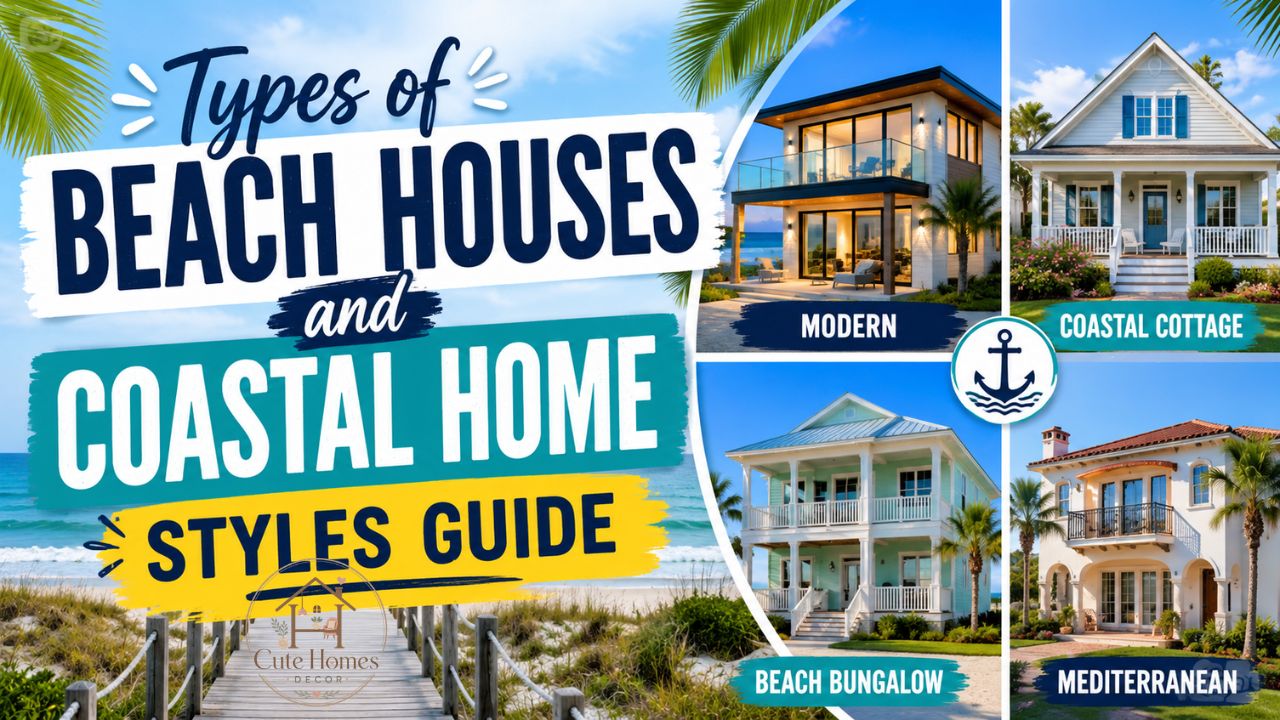

There’s something unforgettable about waking up near the ocean. The sound of waves crashing in the distance, salty air drifting through open windows, and sunlight reflecting off the water can instantly change your mood. That emotional connection is one reason why so many people explore different types of beach houses before choosing a coastal property.
From laid-back cottages to luxurious oceanfront estates, beach homes come in countless forms. Some are built for adventure and surf culture, while others focus on elegance, entertaining, or long-term coastal living. In reality, architecture near the ocean is about far more than appearance.
The best coastal homes blend comfort, durability, and smart design. Weather, climate, local traditions, and even the shape of the coastline influence how beach properties are built. Understanding modern beach house architecture can help homeowners choose a property that looks stunning while surviving the challenges of oceanfront living.
Whether you love minimalist retreats, tropical bungalows, or timeless cottages, exploring the many types of beach houses can inspire your perfect seaside dream.
Why Coastal Architecture Matters
Building near the ocean requires thoughtful planning. Salt air corrodes materials, humidity damages interiors, and coastal storms create risks that inland homes rarely experience.
That’s why understanding beach architecture is essential before investing in a coastal property.
Different climates require different construction methods. Homes in Florida often sit elevated above flood levels, while homes in colder coastal regions focus heavily on insulation and storm protection.
Modern beach house architecture styles are designed to balance beauty with resilience. Architects now prioritize:
- Flood-resistant foundations
- Weatherproof materials
- Open-air ventilation
- Energy efficiency
- Hurricane-resistant glass
- Sustainable building systems
According to coastal housing studies, oceanfront property continues gaining popularity as remote work gives people greater lifestyle flexibility.
However, owning a coastal property also means higher maintenance. Understanding the right coastal house styles for your environment can prevent expensive mistakes later.
Traditional Coastal Cottage Homes
One of the most loved types of beach houses is the classic coastal cottage. These homes feel warm, nostalgic, and inviting.
Traditional cottage-inspired beach house styles often feature:
- Wooden siding
- Soft pastel exteriors
- White trim accents
- Wraparound porches
- Cozy interiors
- Open gathering spaces
These homes became popular in small seaside towns throughout New England and coastal America during the early 1900s.
Why Cottage Beach Homes Feel Timeless
Cottages create emotional comfort that many modern luxury homes struggle to replicate.
Families often pass these homes down through generations, creating lifelong memories around summer vacations, beach bonfires, and sunset dinners.
Many homeowners also appreciate the simplicity of this classic beach house style. Instead of feeling overly formal, cottage homes feel personal and relaxed.
Popular cottage-style destinations include:
- Cape Cod
- Nantucket
- Maine coastlines
- Outer Banks
- Small California beach towns
Modern Beachfront Homes
Modern coastal homes have transformed the world of beach house architecture.
Today’s luxury buyers often prefer sleek designs with clean lines, open interiors, and panoramic ocean views.
Modern beach house styles commonly include:
| Feature | Purpose |
|---|---|
| Floor-to-ceiling glass | Maximize ocean views |
| Open floor plans | Improve airflow |
| Minimalist interiors | Create calm living spaces |
| Smart home systems | Enhance convenience |
| Sustainable materials | Improve durability |
Modern beach architecture focuses heavily on blending indoor and outdoor living.
Sliding glass walls, rooftop terraces, and infinity-edge pools allow homeowners to feel connected to the surrounding landscape.
Why Minimalist Coastal Homes Are Growing in Popularity
People today crave simplicity.
Modern homes reduce clutter and emphasize natural textures, soft lighting, and open spaces.
At the same time, modern engineering improves safety. Many newer beachfront homes use reinforced concrete, impact-resistant windows, and advanced drainage systems.
These upgrades make contemporary coastal homes more practical for long-term living.
Luxury Oceanfront Villas
Luxury villas represent the high-end side of coastal living.
Some of the best beach houses in the world are located in tropical destinations like the Maldives, the Bahamas, and Saint Barts.
These incredible properties often include:
- Infinity pools
- Private beach access
- Rooftop lounges
- Spa bathrooms
- Outdoor kitchens
- Smart lighting systems
- Private docks
Luxury beach house architecture styles combine beauty with exclusivity.
Architects design these homes to create unforgettable visual experiences from nearly every room.
Locations Known for Luxury Coastal Homes
Some famous destinations include:
- Malibu
- Dubai’s Palm Jumeirah
- Hawaii
- The Hamptons
- Greek islands
- French Riviera
These homes are often worth millions of dollars.
However, luxury ownership also involves substantial insurance, maintenance, and security costs.
Despite the expense, many buyers view oceanfront villas as both lifestyle investments and financial assets.
Tropical Beach Bungalows
Tropical bungalows are among the most peaceful and naturally integrated types of beach houses.
These homes are designed to blend into warm coastal landscapes using natural materials and open-air layouts.
Typical features include:
- Bamboo construction
- Palm-thatched roofs
- Outdoor showers
- Shaded decks
- Natural ventilation
- Tropical landscaping
This relaxed beach house style is especially common in:
- Bali
- Thailand
- Fiji
- Caribbean islands
- Hawaii
Why Tropical Designs Feel So Relaxing
Unlike enclosed urban homes, tropical bungalows encourage constant interaction with nature.
The breeze flows freely through living spaces, while natural textures create calming environments.
That said, tropical homes require proper maintenance. Humidity, insects, and heavy rainfall can damage poorly protected materials quickly.
Modern architects often combine traditional tropical elements with advanced waterproofing systems.
Raised Stilt Houses for Coastal Protection
In flood-prone coastal areas, elevated homes are becoming increasingly necessary.
Raised stilt houses are one of the smartest coastal house styles for hurricane-prone regions.
These homes are commonly found along:
- The Gulf Coast
- Coastal Texas
- Louisiana
- Florida Keys
- Southeast Asia
Benefits of Elevated Coastal Homes
- Reduced flood damage
- Better storm protection
- Improved airflow
- Elevated ocean views
- Lower structural risk during surges
Modern building regulations in many coastal areas now require elevated foundations.
Although stilt homes may look unusual to some buyers, they are often the safest long-term option.
Mediterranean Coastal Homes
Mediterranean-inspired coastal homes combine elegance with practical design.
These luxurious beach house styles are heavily influenced by Spanish and Italian architecture.
Features often include:
- Stucco walls
- Clay tile roofs
- Arched windows
- Courtyards
- Wrought iron details
- Outdoor dining spaces
This timeless beach house architecture works especially well in warm climates like Southern California and the Mediterranean coast.
Why Mediterranean Homes Remain Popular
Mediterranean homes feel sophisticated without becoming overly formal.
The thick walls naturally regulate temperature, while shaded courtyards encourage outdoor entertaining.
Unlike some trendy designs, Mediterranean architecture rarely goes out of style.
Cape Cod Beach Houses
Cape Cod homes are among America’s most recognizable coastal house styles.
Originally developed in New England during the 1600s, these homes were built to survive harsh coastal weather.
Classic features include:
- Steep roofs
- Cedar shingles
- Symmetrical layouts
- Dormer windows
- Central chimneys
Why Cape Cod Homes Are Still Loved
The design is practical, durable, and visually charming.
The steep roofs help rain and snow slide off easily, reducing weather damage.
Modern renovations often preserve traditional exteriors while adding contemporary interiors.
Many homeowners appreciate the balance between history and modern comfort.
Tiny Coastal Retreats
Not every buyer dreams of a giant beachfront mansion.
Tiny homes have become one of the fastest-growing beach house styles for travelers, retirees, and minimalists.
These compact homes usually range from 200 to 800 square feet.
Benefits of Tiny Beach Homes
| Benefit | Why It Matters |
| Lower costs | More affordable ownership |
| Energy efficiency | Reduced utility bills |
| Easier maintenance | Less cleaning and repairs |
| Minimalist living | Encourages simplicity |
| Flexible design | Some are portable |
Social media platforms have increased interest in tiny coastal living.
People increasingly prioritize experiences over material possessions.
Still, tiny homes may feel restrictive for larger families or long-term guests.
Sustainable Coastal Home Designs
Sustainability is becoming increasingly important in modern beach architecture.
Eco-conscious homeowners want properties that reduce environmental impact while improving long-term efficiency.
Sustainable coastal homes may include:
- Solar panels
- Rainwater collection systems
- Recycled materials
- Energy-efficient windows
- Native landscaping
- Smart climate systems
Why Eco-Friendly Design Matters
Coastal ecosystems are highly vulnerable to erosion and climate change.
Responsible beach house architecture can reduce environmental strain while lowering energy costs.
Some modern eco-homes even use shipping containers and reclaimed wood to reduce waste.
Although sustainable building methods may cost more upfront, many homeowners save money over time through reduced utility expenses.
Interior Trends in Coastal Homes
Interior design strongly influences how a beach home feels.
The best coastal interiors create calm, airy environments connected to nature.
Popular Coastal Interior Elements
- Neutral color palettes
- Linen fabrics
- Rattan furniture
- Driftwood accents
- Indoor plants
- Soft blue tones
- Natural wood flooring
Modern beach house style has moved away from overly themed nautical décor.
Instead of filling rooms with anchors and seashells, designers now focus on texture, simplicity, and organic materials.
Open Spaces Improve Comfort
Open floor plans are central to modern beach house architecture styles.
These layouts improve airflow, maximize natural light, and enhance ocean views.
Large windows also strengthen the emotional connection between indoor living spaces and the surrounding coastline.
Choosing the Right Beach House
Selecting the ideal coastal home involves more than appearance.
Lifestyle, climate, budget, maintenance, and long-term goals all influence the best choice.
Questions Buyers Should Ask
- Will this be a vacation property or permanent home?
- Is the area vulnerable to storms?
- How much maintenance can I handle?
- Do I want privacy or tourist activity?
- Will I rent the property seasonally?
- What is my long-term budget?
Different types of beach houses suit different lifestyles.
For example, retirees may prefer compact cottages, while large families may need multi-level villas with guest accommodations.
Climate Influences Design
Climate shapes nearly every aspect of coastal construction.
Tropical homes focus on airflow and shade, while colder regions prioritize insulation and storm protection.
Ignoring environmental realities is one of the biggest mistakes coastal buyers make.
Investment and Cost Considerations
Beachfront property can be incredibly valuable, but ownership costs are often higher than inland homes.
Major Coastal Home Expenses
| Expense | Financial Impact |
| Flood insurance | High in storm-prone areas |
| Salt damage repairs | Ongoing maintenance |
| Elevated foundations | Higher construction costs |
| Oceanfront land | Premium property values |
| Weatherproof materials | Increased upfront expenses |
Many of the best beach houses in the world generate enormous rental income through luxury tourism.
However, buyers should carefully research local regulations before purchasing investment property.
Some coastal cities now restrict short-term rentals to reduce overcrowding.
Common Mistakes Buyers Make
Buying a beach property is exciting, but emotional decisions can become expensive.
Ignoring Insurance Costs
Flood and hurricane insurance can cost thousands annually in some coastal regions.
Underestimating Salt Damage
Salt air accelerates corrosion and exterior wear.
Maintenance requirements are usually much higher than inland properties.
Choosing Looks Over Durability
Some buyers prioritize appearance without considering weather risks.
Smart beach house architecture styles balance aesthetics with structural safety.
Overlooking Local Regulations
Coastal zoning laws may limit rebuilding, rentals, and renovations.
Researching local rules before purchasing is essential.
FAQs
What are the most popular types of beach houses?
Popular styles include coastal cottages, modern beachfront homes, Mediterranean villas, tropical bungalows, and raised stilt houses.
Which beach house style works best in hurricane zones?
Elevated stilt homes and reinforced modern coastal homes typically perform best in hurricane-prone regions.
Why is beach house architecture different from regular homes?
Coastal homes must withstand salt air, humidity, flooding, and strong storms, requiring specialized materials and designs.
What are the best beach houses in the world known for?
The best beach houses in the world are known for luxury amenities, breathtaking views, private beach access, and exceptional architecture.
Are modern beach house styles expensive?
Modern beachfront homes can be costly because they often use premium materials, smart technology, and custom engineering.
What materials are best for coastal homes?
Fiber cement siding, treated wood, stainless steel, and impact-resistant glass are commonly recommended.
Are tiny beach houses practical for full-time living?
They can work well for singles, couples, and retirees, though space limitations may challenge larger families.
How can I make my coastal home eco-friendly?
Installing solar panels, using recycled materials, and improving energy efficiency are excellent starting points.
Conclusion
Coastal living continues capturing people’s imaginations because it offers something deeper than luxury alone. A beach home creates emotional connection, relaxation, and a sense of freedom that few other properties can match.
From charming cottages to ultra-modern villas, the many types of beach houses available today reflect a wide range of lifestyles and architectural influences.
Whether you prefer traditional coastal house styles, tropical retreats, or contemporary oceanfront estates, understanding modern beach house architecture can help you make smarter long-term decisions.
The ideal beach home balances beauty, durability, comfort, and practicality. And in the end, the perfect coastal property is the one that instantly makes you feel calmer the moment you hear the waves outside your window.